
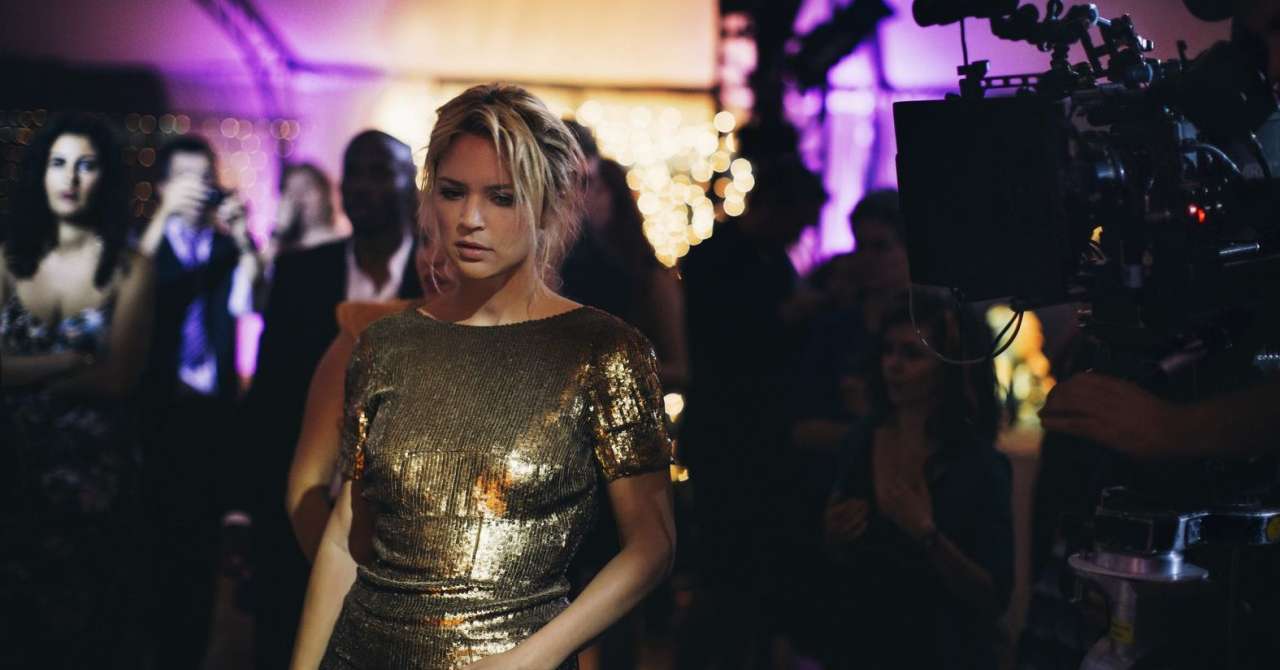
Victoria on France 5: the role that transformed Virginie Efira (review)
In 2016, Justine Triet confirmed her talents as a director with her second feature film. And offered Virginie Efira the role that would mark a turning point in her career.
While Justine Triet is currently preparing a thriller with Hollywood stars, Victoria, the second feature film from the director of Anatomy of a Fall, returns this Friday evening on France 5. It will be available the next day in streaming on France.TV. Here is the review published by Première when it was discovered during the 2016 Cannes Film Festival.
Bombarded leader of the young French independent scene with The Battle of Solferino, presented in 2013 at the ACID, Justine Triet embodies an uninhibited auteur cinema, at ease with its post-New Wave heritage, which explores new avenues, as here, by mixing the Truffaldian portrait of a woman with the codes of the American romcom.
Either Victoriaarchetype of the dynamic thirty-something, a single woman who raises two discreet little girls alone (or rather with babysitters) and who, through her exposed profession as a lawyer, affirms a “virile” femininity full of authority and independence – emotional, sexual, professional.
Justine Triet: “Virginie Efira embodies a male fantasy”
Except that. Except that, behind the veneer of this well-ordered life, there emerges a personality in pieces, damaged by one-night stands, repeated drunks and a feeling of stubborn solitude. When an unexpected incident occurs (she has to defend her best friend, accused of violence by his partner), Victoria sees her little personal arrangements explode in her face.
The Efira asset
“I’m quite worried about my future,” says Vincent Lacoste with papal seriousness during the opening wedding scene which sees the shy boy he plays asking Efira for a free internship – whom she will make his handyman at home, or even more. It’s hard not to think about Jean-Pierre Léaud (at the house of Truffaut) facing this somewhat burlesque and unconscious character, with a particular tone and naive romanticism. He brings this disenchanted humor which gives its color to the film, at the same time wildly funny (see the hearing of the dog, considered as a “witness” for the prosecution against Melvil Poupaud) and a frenzied pessimism whose darkness is, by contrast, reinforced by the bright red of the enclosure where the final trial takes place.
A film about emancipation and female desire, as well as the anxiety generated by the modern world (its cult of results and personality), Victoria sometimes loses in readability what it gains in effectiveness and lacks the energy that made The Battle of Solferino so valuable. Triet’s potential is nevertheless undeniable. He expresses himself above all through his direction of actors including Virginie Efira is the main beneficiary: naturally funny, the Belgian actress plays joyful melancholy and repressed fragility to perfection. It’s a revelation, so to speak.


