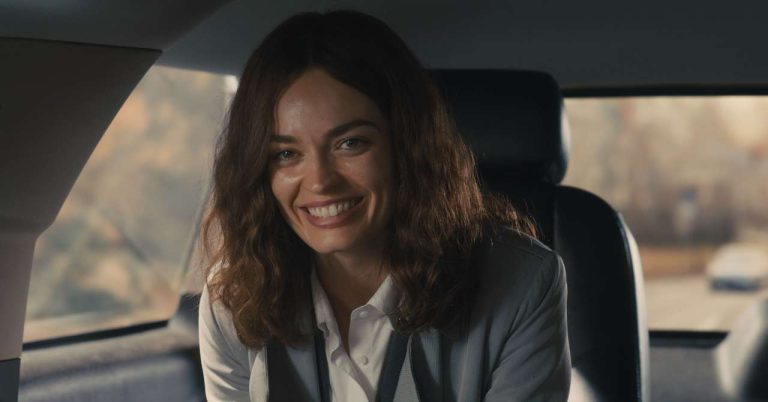
Leaving Neverland director says he’s ‘disgusted’ by Michael biopic
Dan Reed denounces a film which “completely turns the truth upside down”…
Director of the shocking documentary Leaving Neverlandreleased in 2019 and won an Emmy Award, Dan Reed didn’t really like the biopic Michaelsigned Antoine Fuqua.
In an interview given to Varietythe filmmaker accuses the film of watering down accusations of sexual abuse against Michael Jackson, by constructing “a false narrative around a man presented as an innocent victim”.
Reed also remembers an explosive context surrounding the release of his documentary, presented at the time at the Sundance festival: “To date, this is the only screening I’ve attended where there were bomb-sniffing dogs.”he says. At issue: numerous threats received before the premiere, linked to the content of the film. In Leaving NeverlandWade Robson and James Safechuck accuse the star of having sexually abused them when they were children, describing a system of manipulation and control that began at the ages of 7 and 10.
Conversely, Michael chooses a completely different approach. The film, produced with the support of the Jackson estate, depicts the singer as an almost angelic figure, an eternal child broken by his father. And above all, it stops in 1988, before the first public accusations. A choice far from trivial for Reed, who denounces a film which “completely turns the truth around.“
The director does not mince his words on the feature film:
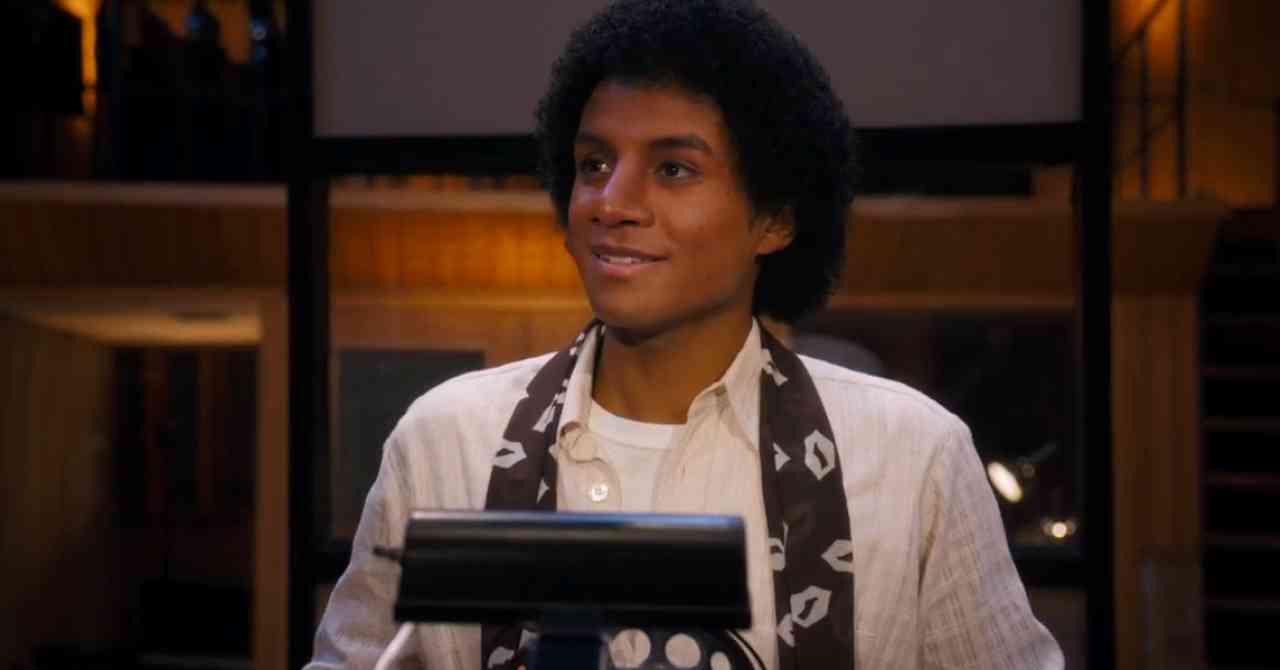
“I went to see the film last weekend. The part about his childhood, I could believe it. But as soon as we cut to adult Jackson, played by his nephew Jaafar, everything falls apart. He is an excellent dancer, but his performance is very rigid. And above all, there is no substance. He becomes a kind of wax doll who sings one after another, without any exploration of what really defined him.
Above all, according to him, the film completely eliminates the gray areas:
“It is an asexual, plastic figure. And the question of his relationship with children is completely distorted, by presenting him simply as an eccentric who remained a child.“
Reed notably returns to certain scenes showing Michael Jackson with sick children:
“It really made me uncomfortable. The film suggests that his relationship with the children was entirely benevolent, purely philanthropic (…) Jeffrey Epstein was also a great philanthropist, and Harvey Weinstein a great producer. But there is another dimension to their stories.“
Then the filmmaker insists: he is not trying to “cancel” Michael Jackson or erase his musical heritage. But for him, the problem is elsewhere: “What this movie does is create a version of events that makes Wade and James look like liars, without ever explicitly saying so.” He also criticizes a total absence of credible counter-discourse:
“They say he loved children because he was an angel. Not because he might have had sexual intentions. It doesn’t make any sense.”
Dan Reed does not understand and concludes: “Why avoid this subject? We know that he spent time alone with children, that he slept with them. And yet, none of that seems to matter in this film…“
Perhaps these gray areas in the life of the King of Pop will be mentioned if Michael 2 sees the light of day.