
I’m still here on Canal Plus: heartbreaking and romantic (review)
Walter Salles tells the tragedy of Brazilian history from a human perspective, without ever losing sight of his style or the beauty of his characters.
After winning Best Screenplay at the 2024 Venice Film Festival, I’m Still Here became the first Brazilian film to receive the Oscar for Best International Film last March. This historical drama by Walter Salles is broadcast this evening on Canal Plus, and can be streamed on MyCanal.
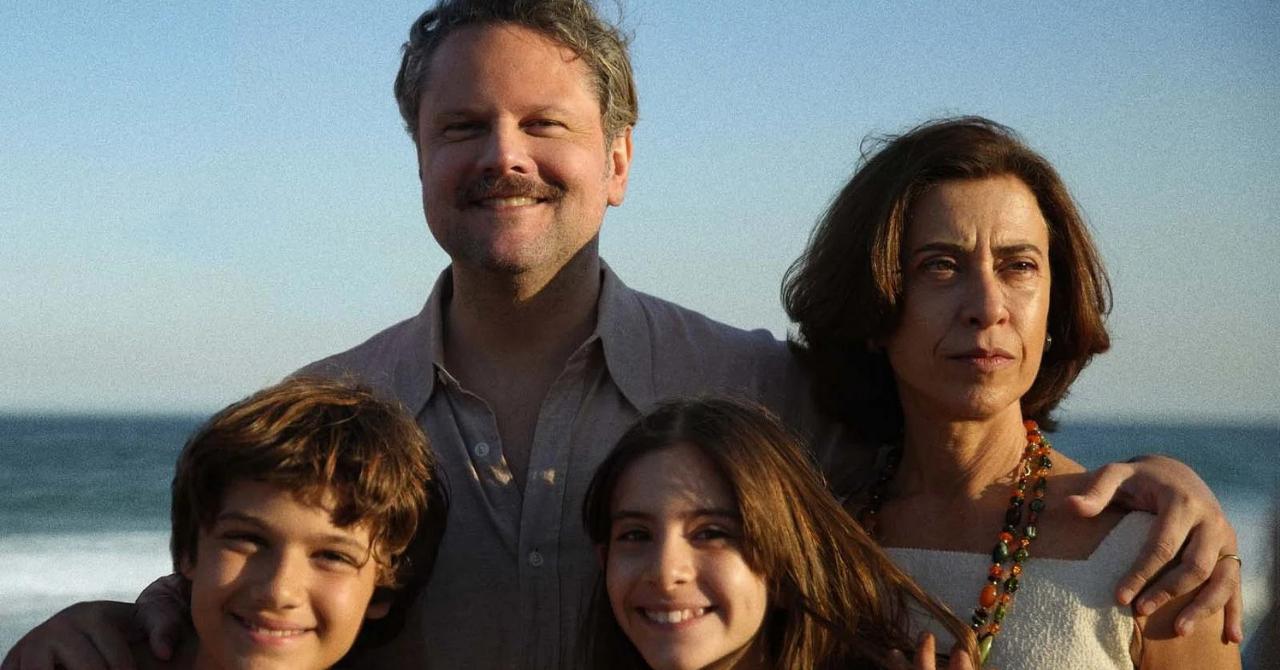
Since his beginnings, the Brazilian filmmaker has walked on a tightrope, moving between an authorial approach and the ambitious desire to reach a wide audience, while wanting to give his country an image free of clichés (cheap exoticism or hardcore violence). With I’m still herehe creates a heartbreaking work on one of the darkest pages of Brazilian history by recounting the authentic destiny of a family during the military dictatorship. The film begins with scenes of simple happiness: it’s the end of the sixties, a wealthy household from Rio lives in an apartment by the sea open to the four winds. The father is a former deputy committed to the left. The mother takes care of her children with love. The light camera lingers on moments of happiness, captured in Super 8 by the family themselves.
But the dictatorship sets in insidiously and one day, the father is kidnapped by five armed men. The film then shifts into the Kafkaesque horror of a system where the authorities deny the very existence of their crime. And the wife begins a desperate search for the truth, endlessly coming up against the wall of bureaucratic silence. Through its narrative fragmentation, through the passage from one character to another and through a musical sense of sensual rhythm, I’m Still Here escapes the pitfalls of thesis film or sensationalism, managing elegantly to infuse the right dose of romance to make us sensitive to the fate of this tribe. Salles shows how love survives barbarity, and how each gesture of tenderness can become an act of resistance.
By Walter Salles. With Fernanda Torres, Selton Mello, Fernanda Montenegro… Duration 2h16.


