Entangled in global politics, the Berlin festival defends the right to silence
While the stars are being questioned at all times about the situation in the world, the Berlinale has just published a firm press release: yes to freedom of expression, no to the obligation for artists to comment on current crises.
Do actors and actresses have to take a stand on everything? All the time ? And can we still ask them questions about the society in which they live?
Vast debate which animates the corridors of the Berlin International Film Festival, which is currently taking place on the other side of the Rhine.
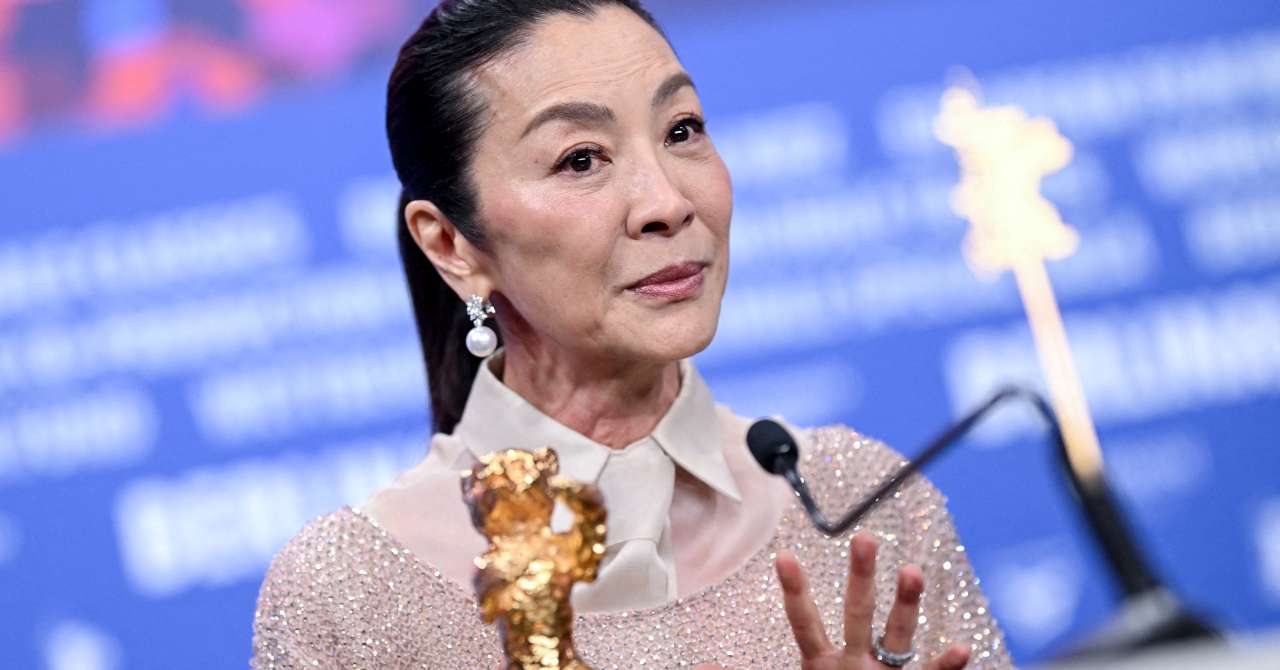
In a most violent geopolitical context, whether in America, Ukraine, or the Middle East, the divide is more obvious than ever within public opinion. So Wim Wenders, President of the jury for this 76th edition of the Berlinale, when questioned about the war in Gaza, immediately affirmed that he wanted to stay out of politics. A statement that sparked a storm on social networks, even causing the withdrawal of Indian author Arundhati Roy, who canceled her presence at the last minute. In the process, Michelle Yeoh and Neil Patrick Harris were criticized for their refusal to comment on current crises. Asked by a journalist about her opinion as an international actress regarding the situation in the United States, the Oscar-winning star of Everything Everywhere All at Once felt he was unable to talk about it, “and I don’t pretend to understand it either. It is therefore better not to approach a subject that I do not understand.“.
Wise ? Or too easy? Are the actors, actresses, directors and other members of the Jury too cowardly? Or are they right to stay in their place?
Don’t ask about Palestine at the Berlinale!
Here’s my question to the jury about selective solidarity of the film festival with the people of Iran and Ukraine vs. Palestinians. Wim Wenders (jury president) actually said: “We have to stay out of politics” #Berlinale2026 pic.twitter.com/09SZOzk3Nf
— Tilo Jung (@TiloJung) February 12, 2026
Faced with the emerging fire, the festival published a long press release signed by its director Tricia Tuttle on Saturday night, calling for things to be calmed down and the debate to be refocused on cinema. In particular, she defends talents who refuse to talk politics:
“Freedom of expression exists at the Berlinale“, she assures first. “But increasingly, filmmakers are expected to answer all the questions. We criticize them if they don’t respond. We criticize them if they respond and we don’t like what they say. They are criticized if they are unable to condense complex ideas into a few words when a microphone is held up in front of them when they thought they were talking about something else.…”
The Berlinale puts its foot down and reminds us that a festival of 278 films cannot be reduced to a viral controversy. “These films offer a multitude of perspectives. There are films on genocide, sexual violence in times of war, corruption, patriarchal violence, colonialism or abuse of power. Some filmmakers present here have been confronted with violence and genocide, and risk prison, exile, or even death for their works or their positions. They come to Berlin and share their work with courage. Are we making these voices heard enough?”
The central message is clear: “Artists are free to exercise their right to speak as they wish” and should not be obliged to comment on every global crisis. “They cannot be expected to comment on all wider debates regarding a festival’s past or present practices over which they have no control. Likewise, they cannot be expected to take a position on all political issues submitted to them, unless they wish to do so.”
The Berlinale thus defends a cinema capable of acting other than by taking a frontal position, sometimes simply by telling human stories. “In a broken world, this is precious.”