
Why Asghar Farhadi doesn’t like Ben Affleck’s Argo
The Iranian director, a two-time Oscar winner, believes that Ben Affleck’s film perpetuates a Hollywood vision of the world where the American comes to save others. And he didn’t mince his words.
Asghar Farhadi obviously did not keep much memory ofArgo.
Invited to the Rio Festival this weekend, to present his latest feature, Parallel Storiesthe Iranian director returned to Ben Affleck’s film and, more broadly, to the way in which Hollywood represents countries like his.
When asked about the fact thatArgo won the Oscar for best film in 2013, just one year after the coronation ofA separation in the category of best international film, Farhadi explains having seen the film when it was released and immediately identifying it as “a Hollywood thing”.
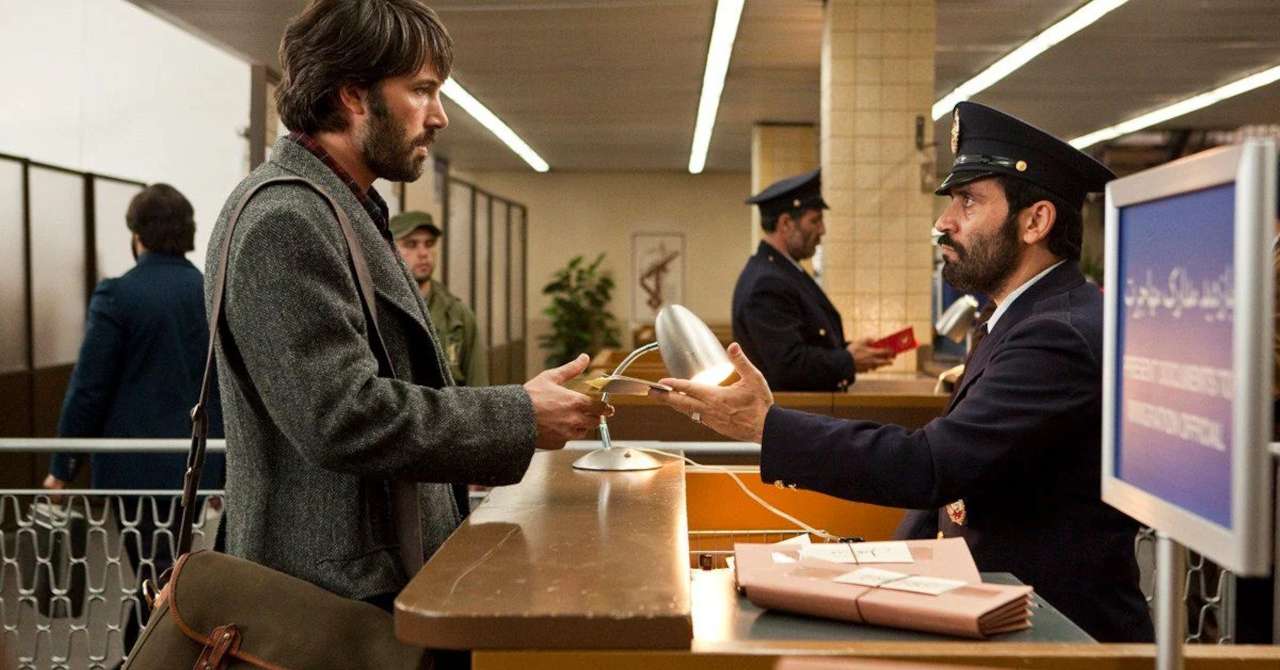
In ArgoBen Affleck plays Tony Mendez, an American exfiltration specialist who poses as a Hollywood producer in order to save six American nationals who took refuge in Tehran during the hostage crisis of 1979. A film that the moderator of the meeting summarizes as a representation of Iran “like you’re in hell“. Asghar Farhadi believes that the problem goes deeper:
“The problem with these kinds of films in Hollywood (and with) some people in the United States is that they look at the world from the top down. One day you should ask them: why do you think you are at the top and we are at the bottom? I don’t understand why they have this ego that makes them believe they are on top.”
A full house for two-time Oscar winner Asghar Farhadi who is giving a masterclass at Armazem da Utopia. His latest film “Parallel Tales” screens tonight at Reserva Cultural Niterói. https://t.co/qirf3QNbkU
— Rio Film Festival (@RioFilmFest) October 3, 2026
The filmmaker even goes so far as to call into question the American discourse on democracy: “They often say: ‘We have democracy.’ But no. You don’t have democracy. It’s a lie.”
To support his words, Asghar Farhadi recounts having stayed in the United States a few years ago, while working on a project, and having taken advantage of his research to go to San Francisco and meet incarcerated men: “I met people in prison who were black, (some) were from other countries, and the real America was there. But people around the world don’t see this part of the United States.” He continues:
“I have a problem when they feel above it and think, ‘Other people should be like us.’ Even though it’s a good intention and they want to be nice to you, they wish: ‘One day you will become like us.’ And no, I don’t want to become like them…“
It is in this context that it comes down to Argo and to this recurring figure of “American hero who came to save foreign populations“. He details his thoughts:
“These films are not deep. They make these films for money, it’s a business. And in these films, it’s always a white American who comes to save the others. My question is: why? Why does an American go to Cuba or Iran to save people? People understand that they can save themselves. Who asked you to come save us?“
However, the director refuses to completely separate cinema and politics. When asked how he addresses this issue in his own films, he answers:
“When you talk about society, you talk about politics. Even when you talk about family life, their relationships, their difficulties and their problems, indirectly you are talking about politics. In my films, I always try not to talk directly about politics because, for me, it’s a bit far from cinema. The cinema I believe in is a cinema that leaves spectators the space to discover things about themselves.”