How Netflix justifies the purchase of Warner Bros. against American policies
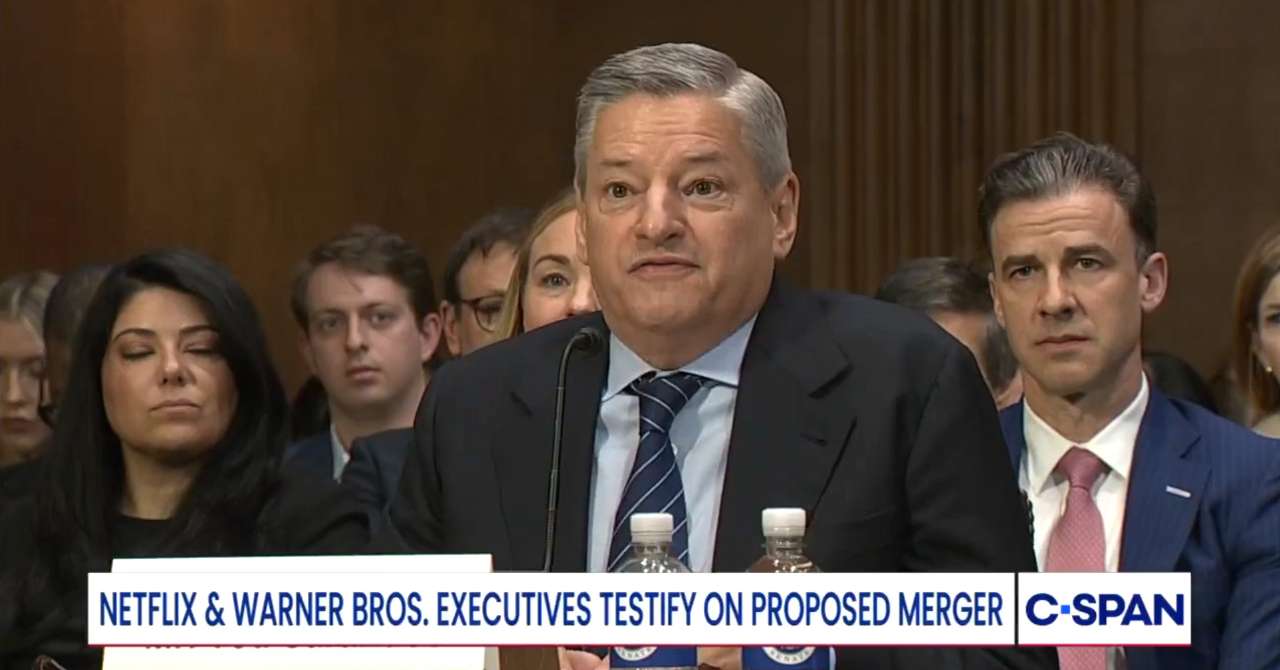
Ted Sarandos, co-CEO of Netflix, came under fire during a hearing of the United States Senate antitrust subcommittee on the proposed acquisition of Warner Bros. Discovery by Netflix, a pact valued at around $83 billion.
The takeover of Warner Bros. by Netflix a problem?
This is the question that Ted Sarandos had to answer yesterday, during his hearing before the US Senate. The co-CEO of Netflix defended the Hollywood studio’s takeover project, facing elected officials who fear a massive concentration of power in streaming.
Republican Senator Mike Lee (Utah) summed up the main fear with a Lord of the Rings-style formula: “One platform to rule them all!” This deal could transform Netflix into “one platform to rule them all” – in other words, a single player capable of imposing its rules on the rest of the market.
Same concern on the Democratic side. Cory Booker (New Jersey) estimated that the sale of Warner Bros. “to any competitor” poses a competition problem, with a concrete risk for employment in Hollywood. According to him, the operation could have a negative impact on “tens of thousands” of workers, by reducing the number of series and films produced. Booker insisted: “We know the power of Netflix.” While recognizing that he himself watches a lot of content on the platform. Before adding that he fears “that Netflix will gain even more power over consumers” and end up leaving them with “fewer options”.
Netflix Co-CEO Ted Sarandos on proposed acquisition of Warner Bros.: This deal keeps one of the most iconic Hollywood studios healthy and competitive. Warner & Netflix together will create value for consumers, more opportunities for the creative community and more American jobs. pic.twitter.com/Hm8TQRapaB
— CSPAN (@cspan) February 3, 2026
In response, Sarandos insisted that the future Netflix / Warner Bros. group. “will strengthen the U.S. entertainment industry, preserve choice and value for consumers, and provide more opportunities for creators.”
To support his argument, he put forward several figures: Netflix claims that its original productions have generated 155,000 jobs, with filming in all 50 states, and that the company has contributed more than $225 billion to the American economy over the last ten years.
Sarandos also assured that Netflix is buying a company “very different from ours” and intends to operate Warner activities “globally as they are today.” Objective: to cut short the classic merger scenario. The idea is not to put Warner films on streaming. On cinema, Sarandos reaffirmed Netflix’s commitment: maintaining a 45-day window in theaters for Warner Bros. films.
Finally, he defended the idea that Netflix and HBO Max are complementary, arguing that 80% of HBO Max subscribers are already Netflix subscribers. Its promise is therefore: “Giving consumers more content for less money”.
And to put the risk of domination into perspective, Sarandos explained that Netflix faces growing competition from “deep-pocketed” tech giants, citing YouTube, Apple and Amazon Prime Video. He explained that Netflix represents 9% of TV viewing in the United States (December), and that with HBO Max, the whole figure would be around 10%, still far behind YouTube.
Finally, in the premium platform segment, Netflix claims around 18% market share, compared to 3% for HBO Max – or 21% when combined.
Confirmed by Ted Sarandos, CEO of Netflix
James Gunn’s Superman failed at the box office, and that is why it was cut short at the box office.
Every film has a window for theaters worldwide, but when it stops making money, they will cut that window short. pic.twitter.com/tzbQJ0yaBu
— Movies And Games Related (@HOUSEOFEL38) February 3, 2026
Then, the antitrust hearing drifted into a political debate, launched by Ted Cruz, on the industry’s positions against Donald Trump’s migration policy. Before discussing the way in which Netflix influences American society. Clearly, several Republican senators accused Netflix of being “too woke”. And the merger with Warner could strengthen this power of influence.
Senator Josh Hawley asked Sarandos why he thinks “so much Netflix content for kids promotes transgender ideology,” saying it reflects programming that doesn’t align with “many parents’ values.” Then Senator Eric Schmitt attacked the streamer for its supposed “habit of promoting diversity, equity and inclusion”, going so far as to say that Netflix has “created the most woke content in the history of the world”.
.@SenTedCruz: “Are we right now on stolen land?”
Netflix co-CEO Ted Sarandos: “I have no idea of the history of this land.”
Warner Bros. Discovery exec Bruce Campbell: “Nor do I.”
Cruz: “That speaks volumes…that neither of you are willing to say ‘hell, no.'” pic.twitter.com/EWwYYUIHZH
— CSPAN (@cspan) February 3, 2026
Faced with these remarks of another caliber, Ted Sarandos defended himself forcefully:
“We have no political agenda of any kind,”
He adds that Netflix offers programs “left, right and center” and claims sophisticated parental control tools for families to manage what their children see.
It remains to be seen whether the giant with the red N will have been able to convince the authorities to validate its deal with Warner Bros. This hearing was part of a broader review led by the Department of Justice and other antitrust authorities in the United States and Europe, who will have to decide in the coming months whether this concentration complies with competition rules.
Sen. Josh Hawley CRITICIZES Netflix co-CEO Ted Sarandos for the MASSIVE amounts of trans propaganda on kids shows.
“Why is it that so much of Netflix content for children promotes a transgender ideology? Almost half of your content for minor children promotes a transgender… pic.twitter.com/su4sBv1svt
— DeVory Darkins (@devorydarkins) February 3, 2026