
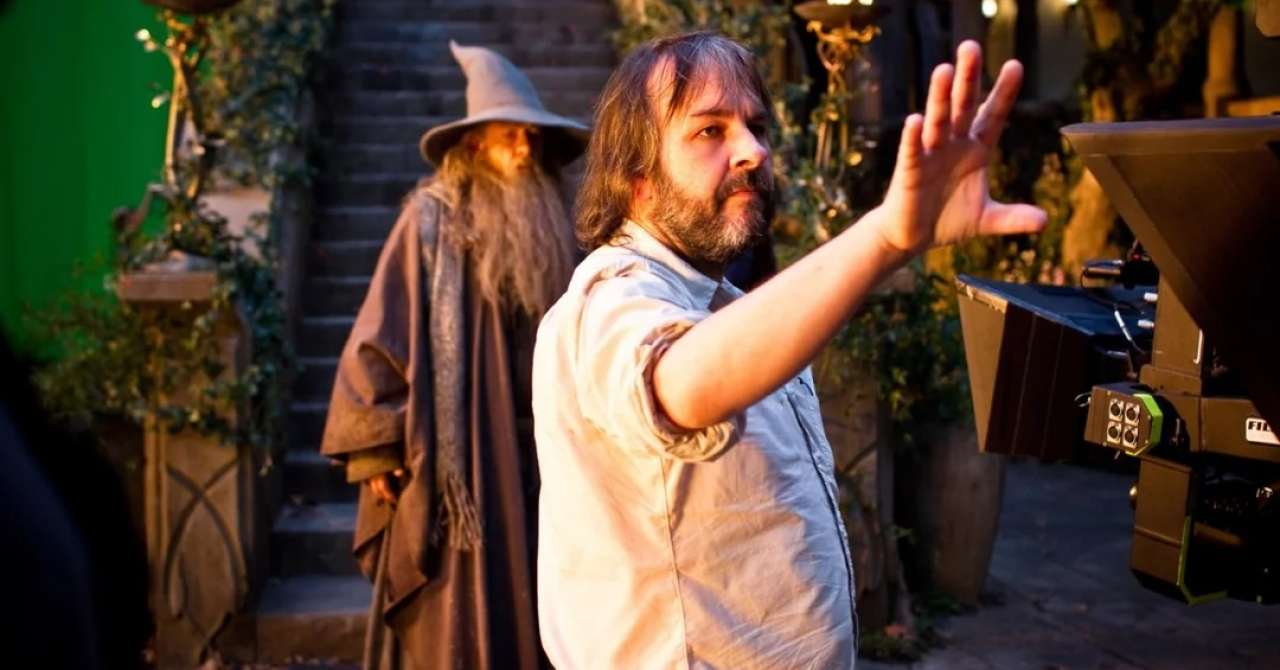
Peter Jackson laments the death of DVDs and Blu-rays: “It’s all gone”
With all streaming and all digital, the filmmaker deplores the small death of physical media, and therefore of bonus content and other long versions, which delighted enthusiasts.
For Peter Jackson, the gradual disappearance of DVDs and Blu-rays is a real disaster for cinema.
Invited to Cannes where he received a Palm of Honor, the director of Lord of the Rings deplored the death of the physical medium, which he considers to be an immense loss for film buffs… but also for future directors.
“We can still find Blu-rays and DVDs, but they have become a niche product for enthusiasts”he explains in IndieWire. The filmmaker especially regrets the disappearance of bonus content, long versions and gigantic making-ofs that once accompanied video releases. Obviously impossible not to think of the legendary collector’s editions of the Lord of the Ringswhich have become cult for an entire generation.
“We shot hours and hours of making-of footage for the Lord of the Rings DVDs. A lot of people thanked me for that. They watched these extras over and over again because it made them want to make films… Today, all that has disappeared and I find it a real shame.”
“But hey, the industry has always evolved”tempers Peter Jackson, who wants to be fatalistic about the natural technological changes in cinema: “When talkies arrived, lots of articles were published explaining how sound ruined films. It was the same with color. We wrote very intelligent articles explaining why color was an abomination and how it had ruined the film industry. In short, it happens all the time.“
On the other hand, the director is much less philosophical when it comes to assessing the current industry, which leaves much less room for filmmakers than 20 years ago:
“At the time, there were maybe seven studios financing films, plus a lot of wealthy independents…” According to him, Hollywood then produced more than 100 studio films per year, to which were added dozens of independent productions. Now, with the concentration of the industry and the domination of a few giants, this number would have fallen drastically.
“Today, we may end up with three studios. Even if they each produce 20 films a year, that’s only 60 films. That means that there are technically 60 directors who could have made a film twenty years ago and who won’t have that chance today. How could that be a good thing?“


