
Rebecca on Arte: why is Hitchcock’s gothic masterpiece timeless?
1940, Rebecca arrives on American screens. In a foggy black and white, haunted by the ghosts of the past, the master of suspense delivers a gothic and psychological gem. A film about class control and domination which has lost none of its charm.
Adapted from the eponymous book by Daphné du Maurier, Rebecca marks the first American film by the genius British filmmaker, Alfred Hitchcock.
She swaps her long, straight skirts for an evening dress, twisted with unease in this world overflowing with luxury where she struggles to find her place. Our heroine advances, clinging to the skirts of her husband, cold and silent, like a child lacking affection.
Eighty-six years later, Rebekah, in its old-fashioned splendor, is striking in its modernity: the grip, the clash of classes, the love triangle, some of the themes that run through the film and, strangely also, contemporary society.
It is the story of a place, Manderley, and a young woman, who will only ever be called “the new Mrs de Winter” or “companion lady”, invisible even in her nominal identity.
A young woman, played by Joan Fontaine, who goes from lady-in-waiting to mistress of a sumptuous estate in England, when she meets, on a part of Monte Carlo, one of the richest and most prominent men in the country, Max de Winter…
She then lands in this hyper-posh universe, with its codes so specific that she does not master.
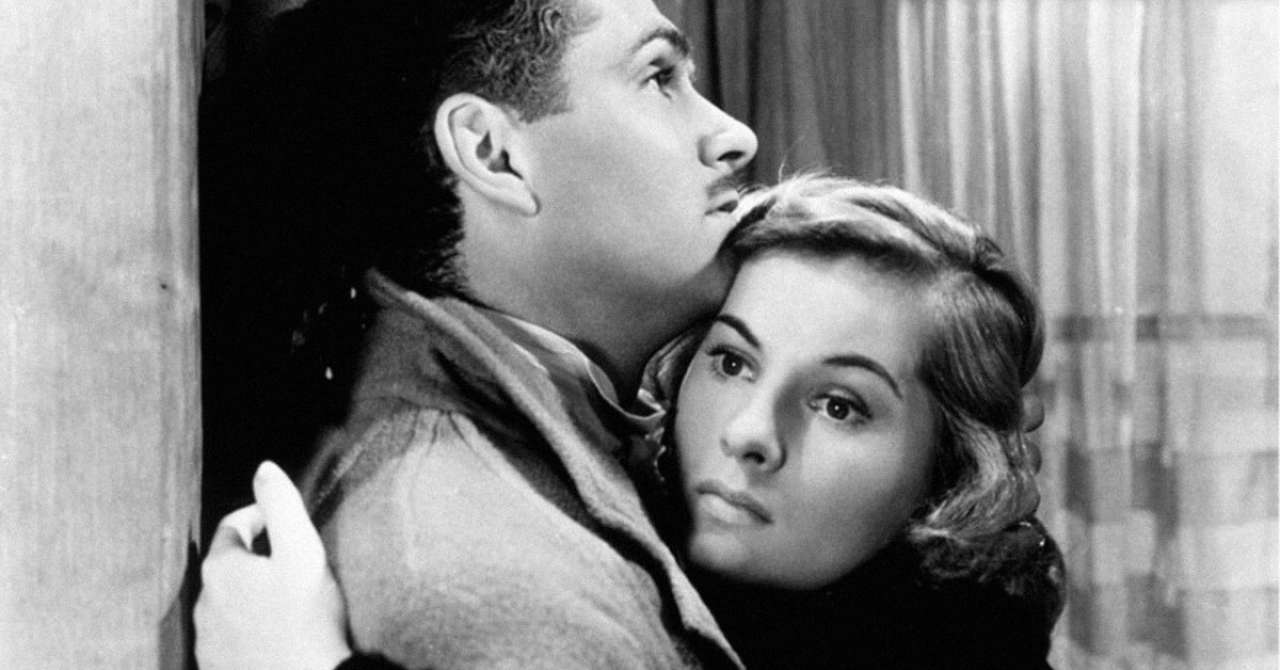
Awkward, trembling, not knowing what to choose from the menus, what clothes to wear, or who to send her mail to, the new Mrs. de Winter would not be cut out to run a house of this size. Not like Rebecca…The late Mrs. de Winter, who during her lifetime shone with her intelligence, her social ease and her beauty… Hitchcock brilliantly films the face of our heroine through close-ups, her eyes dazed with doubt, her mouth distorted with unease.
Want to read more?
Access all articles and reviews for €1.99/month
No obligation, cancellable at any time
Subscribe
Already subscribed? Log in