28 Years Later: The Temple of the Dead transcends the zombie saga (review)
With this second, darker and more ambitious part, Nia Da Costa confirms that she did not come to flatter nostalgia, but to completely reinvent the cult saga.
With 28 Years Later: The Temple of the Dead Nia DaCosta blows it all up. The director does not take up the saga of Danny Boyle and Alex Garland to flatter nostalgia, but to dynamite what is still called, for convenience, a “franchise”. This second part acts like a dive into dark waters: more radical, more cruel, but also broader and more beautiful. Where the first film posed a myth and a child’s view of the collapse, this one explores its gray areas – those where survival is no longer enough, where we must choose what type of humanity still deserves to exist.
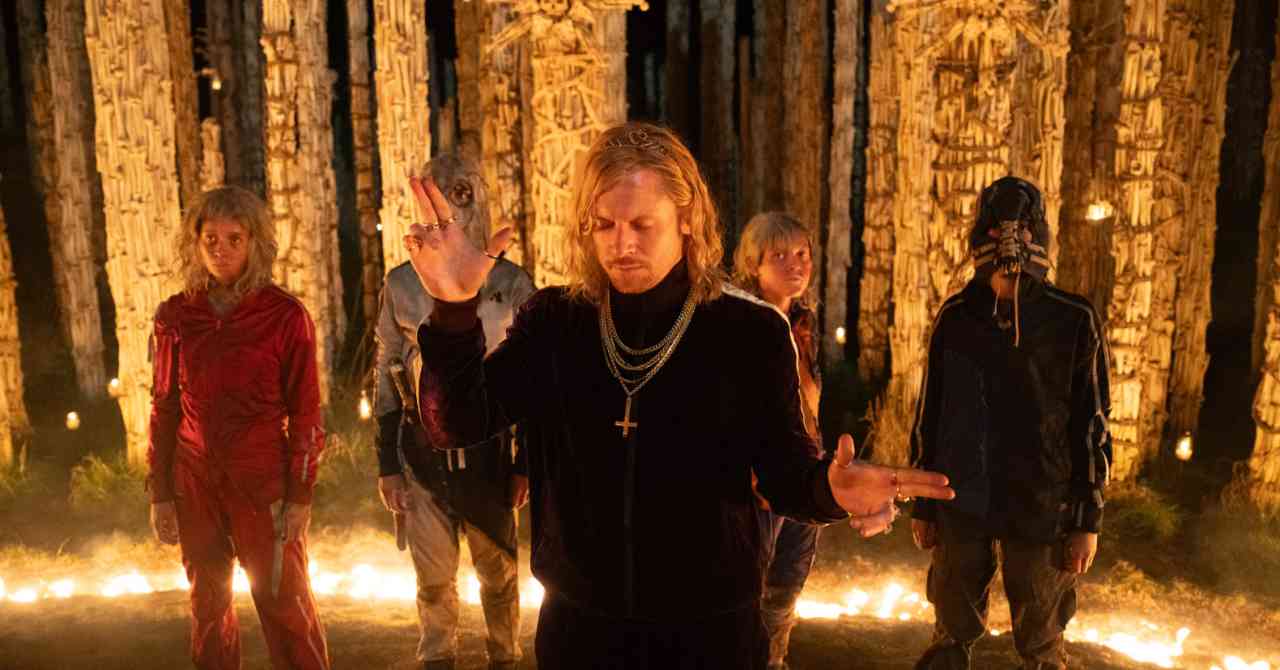
The story picks up immediately after Spike’s capture by the Jimmies, a degenerate survivalist sect who have transformed the end of the world into a nihilistic carnival. Very quickly, the film shifts its center of gravity: the infected are no longer the heart of the show, but its setting. Their blind rage becomes almost secondary to something more chilling – organized, ritualized violence, transformed into spectacle by those who have chosen to no longer fight against chaos, but to wallow in it. The real subject is humanity facing the moral void, and the way in which some fill it with violence, cult or myth. Others, rarer, still try to preserve a spark – not out of naivety, but out of an absolute refusal to capitulate.
Directing therefore, Nia DaCosta. The director of Candyman or the recent (and sumptuous) Hedda imposes a signature radically different from that of Boyle, without ever betraying the DNA of the saga. Exit the punk frenzy shot on the iPhone, the transcendental sequence shots ripped from the wild: The temple of the dead favors a more calm, more carnal, almost classic image, which gives the film a tragic scale. We sometimes think of Coppola, of Herzog, of this way of filming the apocalypse like an opera of decline.
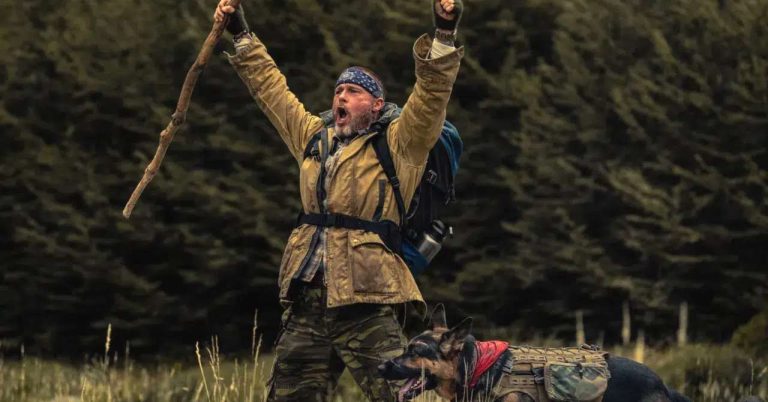
The hysterical chaos of the Jimmies – filmed like a bloody rave, a Woodstock of barbarism – is directly opposed to the stoic rigor of Doctor Kelson, a mythological figure played by a stunningly intense Ralph Fiennes. Each appearance of the character shifts the film towards something else: a philosophical fable about the survival of the spirit when everything has collapsed. Kelson is not a hero, much less a savior. He is a survivor of the very idea of civilization, a guardian of the temple who knows that the temple is in ruins.
Where 28 years later flirted with the learning story and maintained a form of stubborn hope, The Temple of the Dead fully embraces his darkness. More violent, bloodier, sometimes downright grueling, the film pushes the cursor without ever sinking into simple sadism or gratuitous gore. This brutality serves a purpose: to show the extremes, to oppose uninhibited barbarism – that which is assumed, which is celebrated – to a desperate attempt at humanism. Between the two, Spike is still looking for his place, torn between memento mori And memory of love. His journey becomes that of a generation born in the ashes, forced to reinvent what it means to be human without reference points and above all without guarantee that it is still worth it.
This second part is also a demonstration of rare freedom in contemporary studio cinema. DaCosta allows himself dizzying breaks in tone, confusing ellipses which leave deliberate narrative blanks, operatic flights which defy all commercial logic, and unexpected musical choices – a melancholic folk song about a massacre, a heavy silence where one would expect a sonic climax. The film advances through visions, like an emotional rather than narrative puzzle. Certain sequences seem to belong to another film, another genre, before abruptly falling back on the central horror. Boldness conquers all.
More than a sequel, 28 Years Later: The Temple of the Dead is a great genre film, feverish and political, which transforms a zombie saga into a dizzying reflection on what it means to remain human when there are no more people to remind you. It is also, paradoxically, a film about beauty – that which persists despite everything, in a gesture, a look, a pathetic attempt to convey something. And which confirms, if necessary, that this late trilogy is one of the most exciting projects in contemporary cinema. Not a nostalgic resurrection, no, a total reinvention.
By Nia da Costa. With Ralph Fiennes, Alfie Williams, Jack O’Connell… Duration: 1h50. Released January 14, 2026