
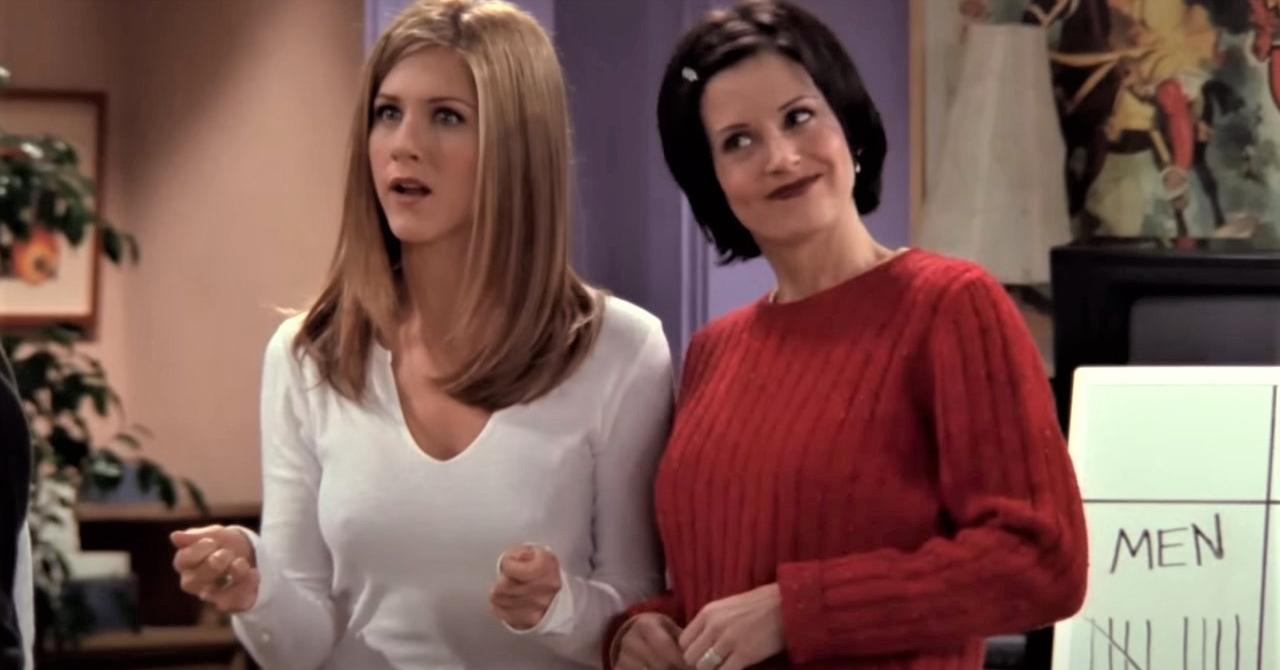
Lisa Kudrow talks about the misogynistic behind-the-scenes of Friends
“Does this idiot know how to read or not? She doesn’t even make an effort. She ruined my line!”
Behind the laughter and mugs of Central Perk, the atmosphere was not always so feel good behind the scenes of Friends.
Two decades after the end of the cult series, Lisa Kudrow, unforgettable Phoebe in Friends, today reveals the mysogyny that could sometimes reign around the set of the cult sitcom. In an interview with the Times of London, the actress says she suffered frankly borderline behavior from a few members of the writing team, mostly male:
“There were clearly some nasty things going on behind the scenes,” she explains. And not just a little. On the set, filmed in front of 400 people, the pressure was constant. At the slightest error in the text, some screenwriters could blurt out:
“If you made a mistake in a line these writers made or if the reaction wasn’t what they expected from the audience, they could say: ‘Does this bitch know how to read or not? She’s not even making an effort. She ruined my line!’
And perhaps the most disturbing thing happened off camera. In the writers’ room, Lisa Kudrow evokes a barely veiled sexist atmosphere:
“The guys were staying up late talking about their sexual fantasies about Jennifer (Aniston) and Courteney (Cox). It was intense!”
A climate that the actress bluntly describes as “brutal”. Even if it puts things into perspective today: most of this behavior took place behind closed doors.
“They were working until 3 a.m. to write the series, so I said to myself: say whatever you want behind my back, it doesn’t matter…”
These excesses were not completely unknown. In the early 2000s, an assistant screenwriter, Amaani Lyle, had already attacked Warner Bros. Television in court. She denounced a toxic work environment, made of constant sexual and racist remarks – which she also had to record in her notes. The case went all the way to the US Supreme Court, which ultimately ruled against Lyle, finding that this language was part of the creative process in this specific context.


