How David Fincher Used AI on Cliff Booth
The director explains how artificial intelligence was used in post-production of The New Misadventures of Cliff Booth, to splice together the best acting and dialogue takes.
David Fincher used artificial intelligence on his next film, but not necessarily in the way you might imagine.
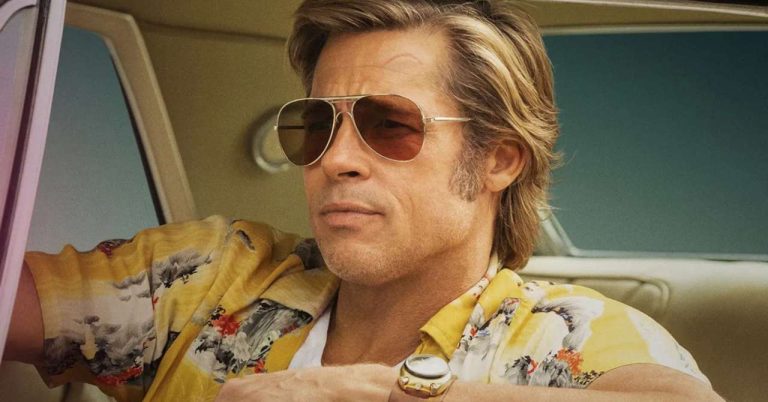
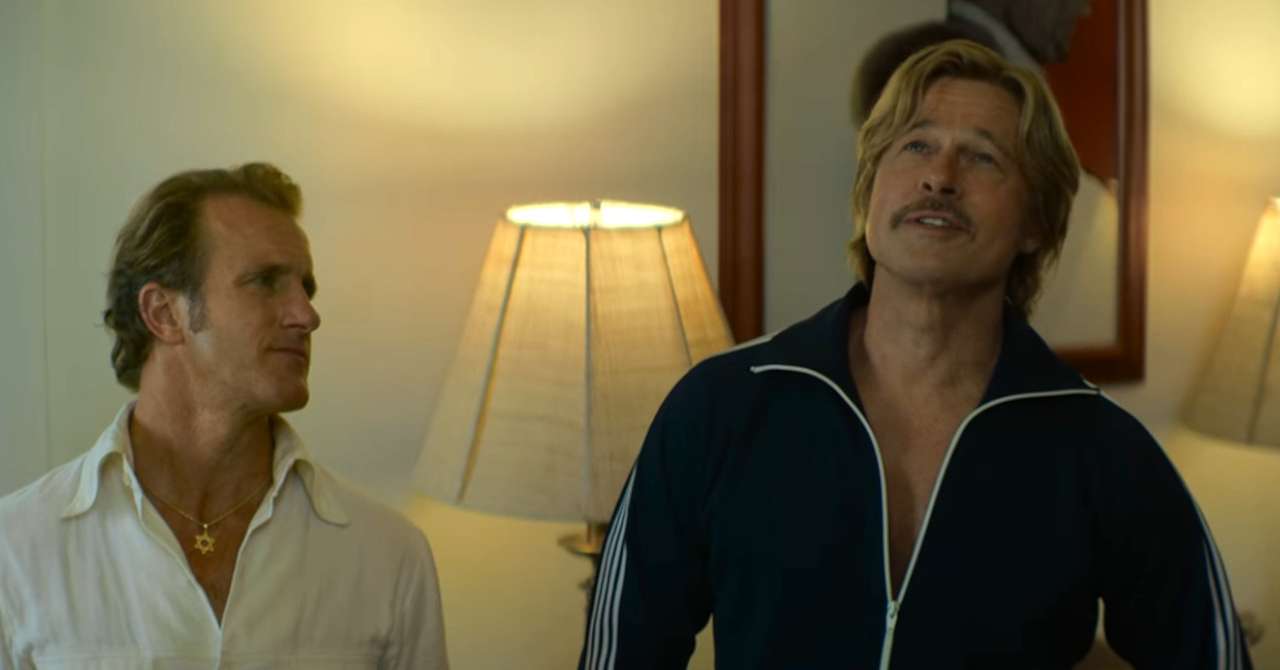
In an interview with the podcast The Big Picture from The Ringer, published Wednesday, the filmmaker explained how he used this technology in post-production of New Misadventures of Cliff Boothhis film dedicated to the character played by Brad Pitt in Once Upon a Time… in Hollywood.
In particular, AI made it possible to synchronize the best take of dialogue with the best interpretation of an actor when the two did not correspond to the image. Fincher explains that the actors only needed to come back and record their dialogue for four or five days. Only 5% of the film would have required traditional additional dubbing (ADR), the rest having been produced using AI.
“With the tools we have today, we could use AI to redo lip movements.“
A method which offered him additional freedom in editing, as he explains:
“It was very practical. This gave us the freedom to look at things in a completely plastic way. We are not carving in marble. We work with modeling clay, you know what I mean? This allows us to say to ourselves: what works best on the image, and what works best on the ear? And then, we don’t care how we’re going to connect the two, because we’ll find a solution. And in most cases, we succeeded. I think there are a few plans that aren’t quite working yet, but it’s coming. By the time the film is put online, this will be resolved.“
But David Fincher sees further than just this use in post-production. He imagines a future where AI could also reduce the number of takes needed on a set. The filmmaker is renowned for multiplying takes until he gets exactly what he wants. He now plans to shoot a key scene with real actors, in a set built by real craftsmen, then rely on artificial intelligence to correct certain technical details: a focusing problem, a lock of hair that passes just in front of the cornea or even an imperfect movement.
“I can imagine a world where, and I don’t think we’re far from it, you hire the exact same people. You arrive on a beautifully made set, you hire all these people, and you shoot the master shot. You turn it 20 or 25 times, until you have exactly what you want.“
This method could allow him to reduce the number of takes, which is particularly high on his shoots:
“Because I won’t miss the focus thanks to AI. I will be able to place a stick, and everything they have shot in AI. I will also be able to ensure that a strand of hair does not pass right in front of your cornea, thanks to AI.“
The director, however, insists on one point: this method would remain based on the performance of real actors.
“Everything will still be based on real human beings. About how humans move, walk across a set, pull up their pants before sitting down, or take off their coat. All of this will always be there. People just won’t need to do it 15 times.“