After the successful biopic, Netflix releases a doc on the trial of Michael Jackson
A new docuseries in three episodes entirely devoted to the 2005 trial and which promises to examine the case from both angles: prosecution and defense.
“And here is the most famous man in the world accused of the most horrible crime in the world…”
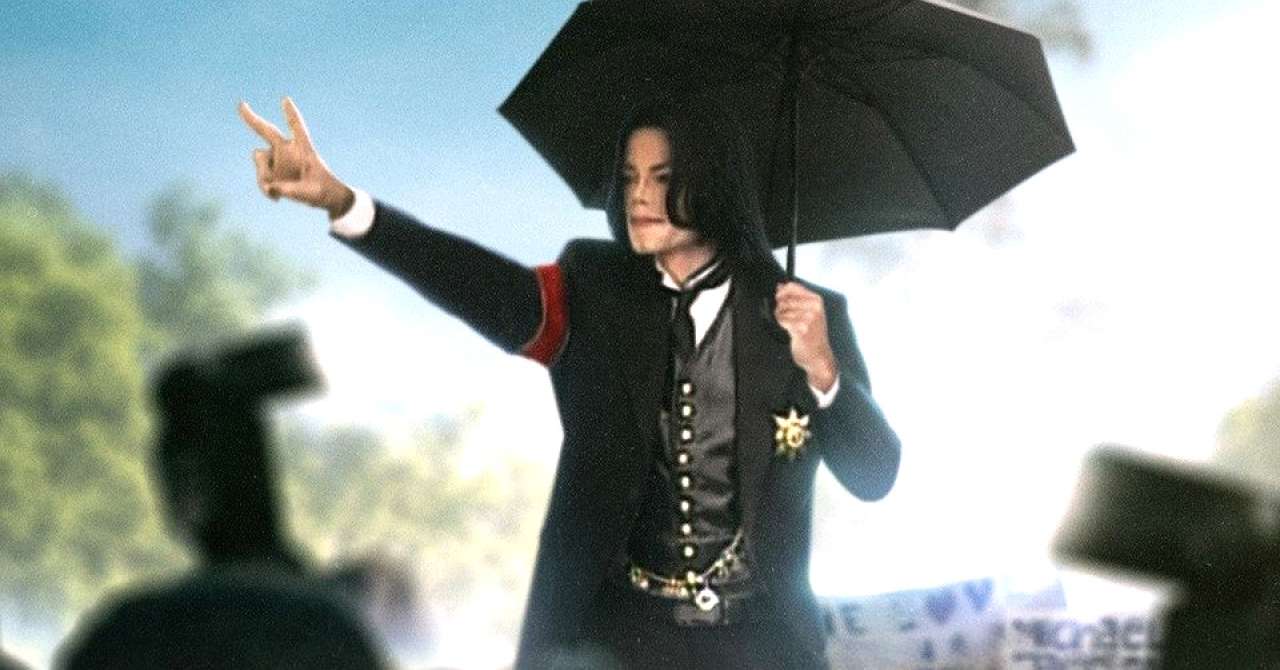
After the global triumph of the biopic Michael, which continues to be a hit in theaters without ever addressing the scandals that punctuated the second part of the King of Pop’s career, Netflix is riding the wave and will release in a few days a documentary series, which, this time, will explore in depth the controversial side of Michael Jackson’s life.
A new docuseries in three episodes, which will be entirely devoted to his 2005 trial. “Told by those who were there, this meticulous documentary chronicles the trial of Michael Jackson and examines the complex legacy of the star” details the streamer, which posted this first trailer online:
Entitled Michael Jackson: The Verdict, it will be posted online on June 3 and will return in detail to the accusations of sexual assault on a minor targeting the star in 2003, as well as to the gigantic media trial which followed.
The documentary intends to carefully reconstruct the events through the testimonies of people directly involved in the case: jurors, witnesses, accusers, defense lawyers and journalists present in court.
Directed by Nick Green and produced by Fiona Stourton, the series promises to examine the case from both angles: prosecution and defense, while looking back at the complex legacy left by the popstar, acquitted of all charges before her death in 2009. The directors explain that they wanted to return to this case twenty years later with a more analytical look.
“It was a good time to revisit this trial and the many questions that continue to surround it,” they explain to Tudum. “We approached this story as a historical account, presenting the facts as they unfolded in court.”
The team also points out that no cameras were allowed in the courtroom at the time, which helped turn the case into a gigantic media fog: “The public was receiving information in a fragmented manner, filtered by commentators and the media. It was time to examine the trial as a whole with an almost forensic approach.” The directors also claim to have voluntarily limited the interviews to people directly present during the trial in order to place spectators “at the very heart of the events.”