Eye Haïdara: “Since Mata, I have become paranoid. I see agents everywhere.”
In Mata, Eye Haïdara plays a DGSE agent who falters after a disappearance. Between real immersion, physical tension and loss of bearings, she composes a character on the edge of the abyss. Encounter
In MataEye Haïdara first advances straight, almost implacable – a tense silhouette in a world of shadows and protocols – before slowly wavering. Rachel Lang’s film is not a simple spy thriller: it is an inner descent, a laying bare.
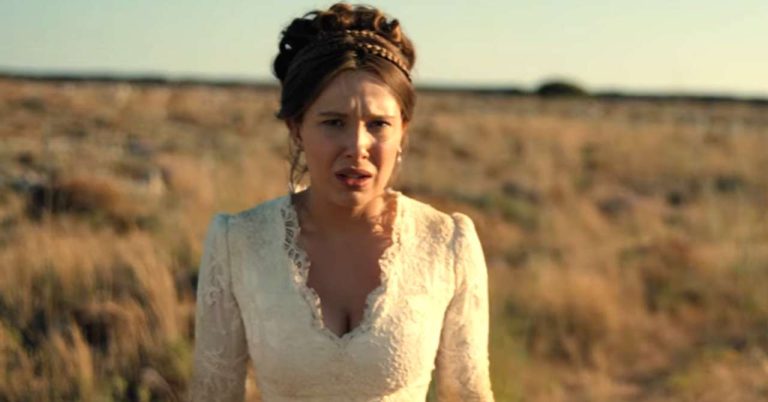
DGSE agent, Mata is a controlling woman. Until the moment when everything escapes him: a colleague disappears, certainties crumble, and the well-oiled machine becomes a minefield. What fascinates here is not so much the plot as the drift – mental, physical, almost organic – of a character who loses his footing without ever stopping moving forward.
At the heart of this vertigo, Eye Haïdara impresses. She plays on the contained tension, the locked language, then lets the flaw filter through. A performance full of density, nourished by a disturbing immersion in reality – to the point of bordering on paranoia.
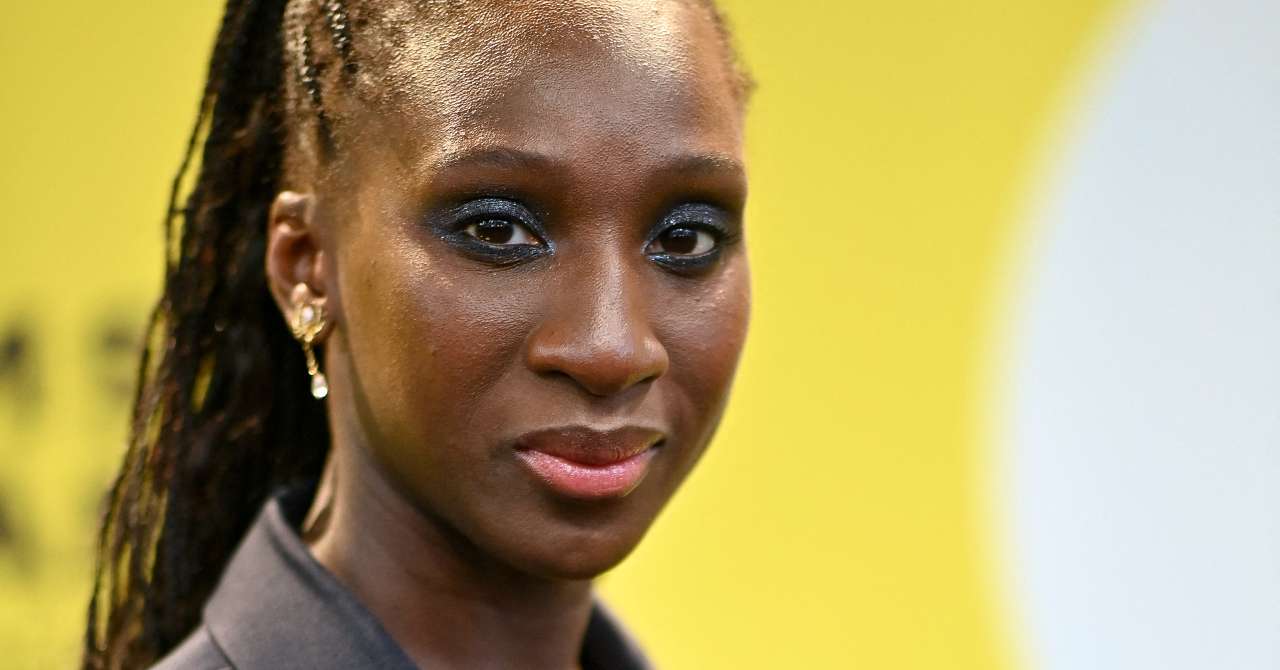
Meeting with the actress who came to present the film at Reims Polar where she was also president of the Sang Neuf jury.
Reims Polar ends. What do you remember from this experience?
What I like in these moments is the exchange. Watch movies, but especially watch them with others. Filmmakers, actors, people in the trade… it changes your perception a little. And then immersing yourself like that, a whole week in a genre – the thriller in this case – is a real experience.
Is crime fiction familiar territory?
Not instinctively. It’s not the kind that comes to me first. But in reality, it’s so vast… It can be social, political, intimate. So maybe I’m doing more than I think. Matafor example, I would not define it as a pure thriller. It’s more of a spy thriller, with something very psychological.
What is striking in the film is this portrait of a woman who changes. Is that what attracted you?
Yes. As soon as I read it, I was hooked. There was something very dense, very tight. A solid, built, almost rigid woman… and then this crack. That moment when everything slides. And above all this emptiness: not knowing, being in total vagueness. It’s dizzying. That’s what touched me: his humanity. If she was just “strong”, we would stay away. But there she falters. And we follow her.
You did an immersion at the DGSE to prepare for the role. How was it?
Very intense. For three days, you are immersed in it. No personal phone, no landmarks. You are given missions, you must accomplish them in real life, with time pressure. And above all, it leaves a mark in the body. A tension, a rush of adrenaline… And a paranoid too. Really. You start to analyze everything around you. Makes you wonder if people are there by chance or not. It doesn’t leave you right away.
Did you reinject this tension directly into the character?
Yes, because it’s not a game, precisely. It’s not simulated. You know how it feels. You know this build-up of pressure, this constant vigilance. It changes everything in the way you play the role.
The film is also very physical. Did you prepare specifically?
Yes, there was physical preparation, training, stunts… I also rode a motorbike. And then there are more unexpected things, like learning sign language for certain scenes. But all that is concrete. It anchors the character. It avoids “pretending”.
What is surprising is also the way Mata speaks: very straight, very factual. Was it a clear direction from the start?
Totally. Rachel kept telling me, “No feelings.” So it was necessary to purify. Cut off anything that overflows. To be in almost mechanical speech. And at the same time, let feel what is struggling underneath. This is where it gets interesting.
The film also poses a rather violent question: that of the truth. We say from the start not to look for it…
Yes, and it’s terrible. Because everything in your job, in your brain, pushes you to search. To understand. And there, we ask you not to go to certain places. But how do you do it? It’s impossible. And that’s where the character gets lost. She’s programmed to search — so she goes. Even if it destroys her.
As an actress, are you looking for the “truth” of a character?
I don’t know if I’m looking for the truth. I’m more interested in what makes him beat. What drives him. Which keeps him standing. Even when everything is falling apart. And that’s what Mata is: a woman who has already lost everything. Which continues anyway. Who advances in the void. That’s almost its driving force.
There is something very strong in his solitude…
Yes. He is someone who no longer has any anchors. No more family, no more emotional references. So it must find its reason for being elsewhere. And that’s violent. But it’s also what makes her stand up. In a way.