Jodie Foster crushes F1 with Brad Pitt: “It looks like a film written by an AI”
The Oscar-winning actress is concerned about the growing role of artificial intelligence in Hollywood.
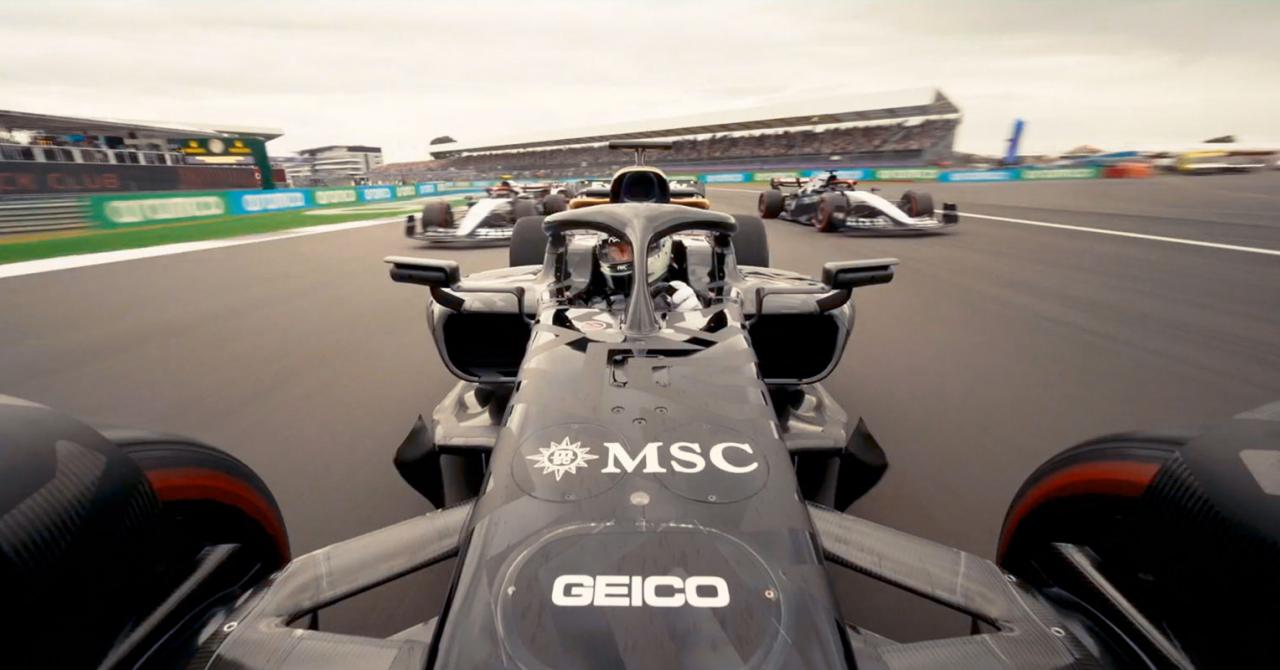
F1, the movie Although it has grossed more than $630 million worldwide, Apple’s sports blockbuster is not convincing everyone.
Invited this week to the Aspen Festival of Ideas, Jodie Foster was particularly harsh towards the film starring Brad Pitt, going so far as to suggest that it seemed to have been created by artificial intelligence.
“I’m not saying that in a pejorative way… How could I? The film made hundreds of millions of dollars… But when I watch a film like F1, I say to myself: ‘It was made by an AI, that’s not possible!’
She then explains her thoughts:
“The structure is exactly what we learn at school. The actors say their lines exactly as a computer would write them, each time choosing what is supposed to be the right thing at the right time.“
For the actress, the film perfectly illustrates an underlying trend:
“They managed to master the technology to make something big, beautiful, but also where many elements seem to come from elsewhere.“
Awarded the Oscar for Best Sound and nominated in four categories, including Best Film, F1 thus becomes, despite himself, the symbol of Jodie Foster’s questions about the future of Hollywood.
“AI is a gigantic new step in the transformation of our industry”she believes, while recognizing that these tools can prove useful for certain technical tasks, such as previewing scenes before filming. The actress, on the other hand, appears much more worried about employment. She points out that studios are already using digital technologies to replace extras and reduce costs. “We are in the process of cutting a lot of jobs. I hope that the unions can impose a simple rule: if you use the image of an actor twenty times, you pay him twenty times. And I find that perfectly normal.” However, Jodie Foster does not completely reject artificial intelligence. She cites the example of a dream sequence produced with the help of AI in Privacy (2025) a sequence she considered successful, although the images “make no sense”: “If we can master AI consistently over time, we will be able to create works that reflect us and make them better.”


